
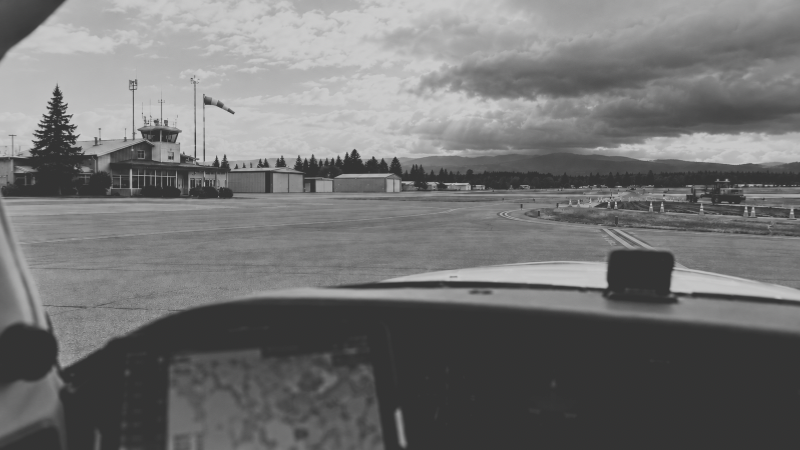
A familiar airport can feel predictable, but a taxiway closure, unavailable service or temporary restriction can change the next lesson. This article helps Canadian student pilots make NOTAM review part of their preparation by searching for the area or route they will fly, checking the notice's location and timing, and using current aeronautical publications alongside the results.
Through a fictional taxiway-closure example, the article shows how to turn a relevant notice into a specific briefing point with an instructor. It closes with a manageable practice task for the next lesson and connects the habit to Level Flight's emphasis on applying ground school knowledge to real flight decisions.
You know the taxi route. You have flown the circuit several times. The runway, radio calls and landmarks are starting to feel familiar.
That familiarity is useful. It gives you more room to think about flying. Before the next lesson, though, it is worth asking a fresh question: what has changed since you were last here?
A closed taxiway, unavailable service or temporary airspace restriction can change a flight you have made many times. Learning to check for those changes is part of becoming a pilot who prepares for the flight ahead.
Give NOTAMs a place in your preparation
A NOTAM is a notice about a facility, service, procedure or hazard that flight crews need to know about in time to use the information. It can describe a change that your familiar airport chart does not yet show. Transport Canada's Aeronautical Information Manual explains the Canadian format and how its fields work.
For a student, the useful question is what the notice means for today's lesson. Does it affect the runway you expected to use? The way you reach it? The practice area? Something you were relying on at another aerodrome?
Start that review while you still have time to discuss the answers with your instructor. Discovering a change at the briefing table leaves room to make a sensible plan.
Search for the flight you are actually making
For local training, describe the flight before you search: departure aerodrome, practice area, likely route and expected return. Include other aerodromes you may use, rather than treating the departure airport as the whole flight.
NAV CANADA's Collaborative Flight Planning Services provides geographically based NOTAM searches for an area or route. A search depends on the area and settings you choose. Work through those settings with your instructor so you understand what your results cover.
Even a circuit lesson involves more than the runway. Taxiways and services can matter before departure or after landing. A flight into the practice area adds another place where a temporary change could affect the lesson.
Use current charts and the Canada Flight Supplement alongside the notices. NAV CANADA also advises pilots to consult AIP Supplements during flight planning. The aim is to build a current picture from the appropriate information sources.
Connect the notice to a place and a time
Once you have the results, work through the full notice. Identify what is affected, where it is, and when the change applies. If it concerns an area or obstacle, locate it on the appropriate chart. If it concerns an aerodrome service, identify how that service fits into your plan.
Timing deserves a deliberate check. In the Canadian NOTAM format, start and end date-time groups use UTC. Some notices also contain a schedule within that overall period. Check the dates and any schedule against the time you expect to be there, including your return.
Leave an unclear abbreviation or time period on your list of questions. Guessing at its meaning can make a notice appear irrelevant before you have understood it.
Turn the information into a briefing point
Imagine a fictional lesson at an airport you know well. Your usual taxiway is closed for work, while the runway remains available.
The briefing now needs a different route to the runway. You and your instructor can review the airport diagram, identify where the closure is, and plan how to confirm the route using the applicable procedures and instructions. Simply remembering that there is construction leaves that practical question unanswered.
Another notice might affect an aerodrome planned for a navigation exercise. Depending on the change, you may need to alter the destination, timing or lesson. Make that decision with your instructor using the full flight picture and your school's procedures.
A useful briefing point is specific: “This change affects this part of our flight, and here is the adjustment we have agreed on.” If the effect is still unclear, say so and resolve it before proceeding.
Build the habit while the airport is familiar
Before your next lesson, bring one relevant notice to the briefing and explain its effect in your own words. If you think a notice does not affect the flight, be ready to explain that conclusion too. Refresh the information as part of your school's pre-flight process when plans or departure times change.
This is a manageable way to practise flight planning at an airport where you already feel comfortable. You can spend less effort finding your bearings and more effort understanding what is different today.
Level Flight's Private Pilot Ground School helps students connect aviation knowledge with practical decisions. Bring that learning into your next briefing: know the airport, check what has changed, and understand how the change affects your flight.
Take Flight Now
Level Flight is Canada’s best online ground school. It is our mandate to provide higher quality, more engaging training for Canadian Student Pilots. If you are seeking the exhilarating freedom of flight for a hobby or with aspirations of a career in the skies, Level Flight offers the best ground school experience available. Sign up for our online learning platform now and discover the adventure that awaits you at Level Flight.
By submitting this form, you opt-in and give expressed consent to receiving SMS / text messages, calls, and emails from us for the purposes of communication related to your inquiry or related to the products and or services we provide.