
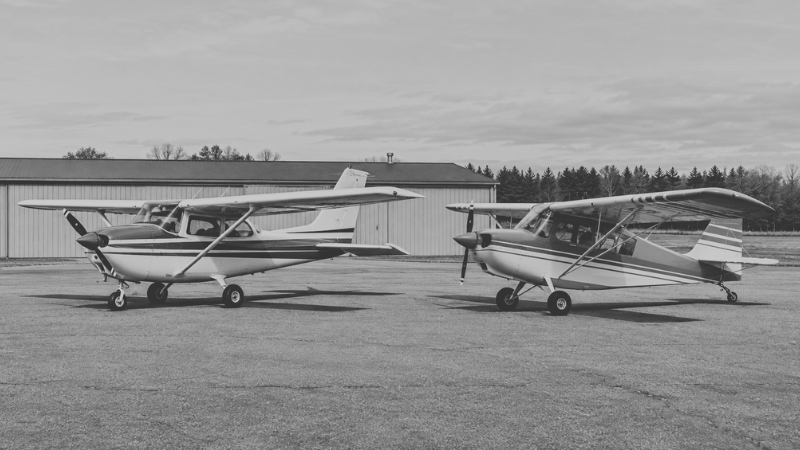
Preparing to fly a different aircraft means checking what transfers and what needs more training. Using a Cessna 172 and a tailwheel Citabria as a visible example, this article helps student pilots identify applicable aircraft information, review unfamiliar equipment and discuss handling or procedures with an instructor. It also explains why differences between two examples of a familiar model can still matter.
The article offers three questions for a substitution briefing and explains why the answers must be connected to the actual aircraft and the school's authorization process. It treats ground familiarization as useful preparation rather than a substitute for instruction, then connects the habit to the practical knowledge developed through Level Flight's Private Pilot Ground School
You are preparing to fly a different training aircraft. It might be another example of a familiar model or a design you have not flown before. You reach for the checklist you normally use, then notice that something in this cockpit is different.
That is the point to slow down and ask what needs to be reviewed. Experience in one aircraft gives you a foundation. Before using another, you need to connect that experience to the aircraft you will actually fly.
A short, purposeful conversation with your instructor can identify what requires more preparation. It also makes uncertainty visible before the lesson moves into the air.
Start with the aircraft rather than the model name
Two aircraft can look alike without being identical in every detail that matters to a pilot. Equipment, approved modifications and the applicable operating information may differ. A familiar model name does not settle those questions.
Transport Canada's Flight Instructor Guide, Exercise 28, specifically reminds instructors that aircraft of the same type from different years may have airspeed and other operational differences. Its broader lesson is useful when a substitute aircraft becomes available: check what applies instead of assuming everything transfers.
A Cessna 172 and a Citabria offer a visible example. Both are high-wing, single-engine aircraft, but the 172 uses tricycle gear and the Citabria a tailwheel. That difference changes the sight picture and the handling skills that need attention during taxiing, takeoff and landing. The FAA's tailwheel chapter explains why the gear arrangement affects ground handling.
A move to retractable gear creates another set of questions: how does the system operate, which limitations apply, and how are normal and emergency procedures carried out? Your instructor can turn those differences into a training plan.
Ask your instructor which differences matter to today's lesson. A new piece of equipment may need explanation and practice. Another change may require a different document, calculation or checklist. Let the actual aircraft and the planned flight set the preparation.
Find the information that applies
Locate the aircraft's applicable Pilot's Operating Handbook or Aircraft Flight Manual and supplements. Confirm the correct checklist with your instructor, and use the aircraft's current weight and balance information for the planned loading.
A general reference manual is useful for learning, but it may not establish what applies to a particular aircraft. Piper's technical-publications guidance makes that distinction explicit: its general-reference Pilot Information Manuals are non-serialized, while replacement flight manuals are ordered by aircraft serial number.
You do not need to become an expert in every version of a model. You need to know which information you are using, why it applies, and where to resolve a question. A saved checklist or calculation from your usual aircraft deserves that check before you carry it across.
Walk through the differences on the ground
With the aircraft secured and your instructor's guidance, identify any unfamiliar controls, indications and equipment. Ask for a demonstration or explanation before relying on them during a busy phase of flight. Follow the school's procedures for ground familiarization.
For example, a student might know how to use the radio in the usual trainer but need help operating the installed unit in the substitute aircraft. The learning task is specific: identify the controls needed for the lesson and practise their use as directed. Looking at the panel and deciding that it seems similar leaves that task unfinished.
Your instructor should also help you identify the normal and emergency procedures that need review. Ground familiarity and reading support that preparation; they do not replace any instruction, assessment or authorization the school requires.
Transport Canada's PPL flight test guide, Exercise 2, treats aircraft preparation as a practical task involving documents, performance, loading, inspection and systems knowledge. The same habit is useful well before the flight test: connect the information to the aircraft in front of you.
Bring three questions to the substitution briefing
Keep a short note for the discussion. Which aircraft information and checklist apply? What equipment or procedures need explanation or practice? What does the instructor need to assess before this flight can proceed?
Write down the answers that affect your lesson, including anything still unresolved. The note helps you remember the conversation; it is not a new operating checklist or permission to fly.
If a difference takes more time to understand than expected, discuss changing the lesson plan. Protecting the booking is less useful than choosing a lesson that fits your preparation and the available aircraft.
Let familiarity grow from checked experience
Moving between aircraft is an opportunity to become more deliberate about preparation. You can build on the skills you already have while noticing where they need to be adapted or practised.
Before the next substitution, ask your instructor what you can review in advance. Arriving with specific questions gives the ground briefing a clear purpose and helps the instructor see where you need support.
Level Flight's Private Pilot Ground School builds knowledge across aircraft systems, performance and flight planning. Use that foundation to ask better questions about the aircraft you fly, alongside your instructor's guidance and your school's procedures.
Take Flight Now
Level Flight is Canada’s best online ground school. It is our mandate to provide higher quality, more engaging training for Canadian Student Pilots. If you are seeking the exhilarating freedom of flight for a hobby or with aspirations of a career in the skies, Level Flight offers the best ground school experience available. Sign up for our online learning platform now and discover the adventure that awaits you at Level Flight.
By submitting this form, you opt-in and give expressed consent to receiving SMS / text messages, calls, and emails from us for the purposes of communication related to your inquiry or related to the products and or services we provide.